UK Steel Industry Intervention and Its Impact on Bright Steel Bar Supply
Why Government Action in 2025 Matters to Bright Steel Bar Users
In a landmark move earlier this year, the UK government introduced the Steel Industry (Special Measures) Act 2025, aimed at securing the long-term future of domestic steel production. Triggered by continued instability in primary production at British Steel’s Scunthorpe site and mounting pressure to reduce industrial emissions, the legislation marks the most significant intervention in the UK steel sector in decades.
For manufacturers, precision engineers, and anyone relying on bright steel bar, the impact of this legislation may not be immediate—but it’s already reshaping how steel is made, sourced, and supplied in the UK.
What’s Happening at British Steel?
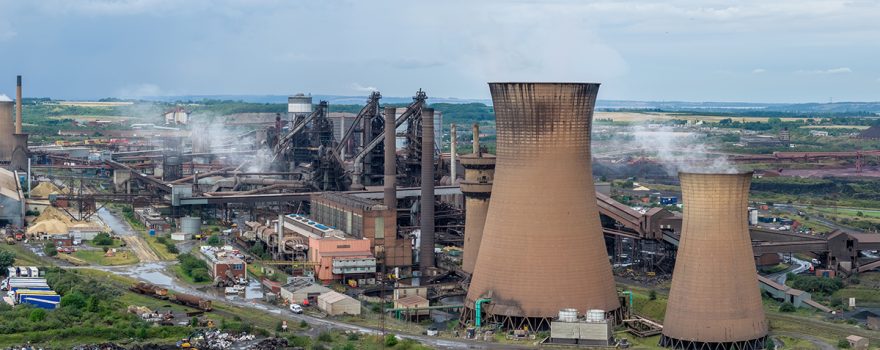
British Steel’s Scunthorpe plant, a major UK producer of basic steel products and billet feedstock, has faced growing financial and operational pressures. Rising energy prices, aging blast furnace infrastructure, and stricter carbon targets have made traditional steelmaking increasingly unviable.
In response, the 2025 Act provides:
• Government-backed funding for transitioning from blast furnaces to electric arc furnaces (EAF)
• Short-term production support to maintain strategic capacity
• A roadmap to greener domestic steel aligned with net-zero goals
This will change how raw steel feedstock is produced and who can access consistent domestic supply.
Why Does This Matter for Bright Steel Bar?
Bright steel bar is not made in blast furnaces—it is precision-drawn or turned from rolled bar, typically supplied in specific grades like EN1A, EN8, and EN3B. However, the availability and consistency of hot rolled feedstock (from UK and EU primary producers) is critical to maintaining quality, tolerances, and mechanical properties.
With the UK’s primary steel supply in transition:
• Some grades and formats may become more limited as blast furnaces wind down
• UK manufacturers may face greater competition for EAF-produced material
• Steel buyers reliant on single-source or low-cost international supply could face shortages
This is why maintaining strong partnerships with reputable bright steel stockholders is now more important than ever.
Midland Bright Steels’ Response: Secure, Stable, Strategic
At Midland Bright Steels, we’ve always believed in futureproofing our stockholding and supply chains.
Here’s how we’re helping customers navigate these changes:
• Large UK-held stock of bright drawn bar in core grades like 230M07, 080M40, and 070M20
• Close relationships with UK and EU mills unaffected by furnace transitions or environmental shutdowns
• Multi-grade availability with short lead times for diameters, flats, squares, and hexagon bars
• Full traceability and compliance with BS standards and mill certification
In short, we’re investing in the reliability our customers need—so that when uncertainty hits the steelmaking sector, your shopfloor stays unaffected.
What Can Manufacturers Do?
If your business depends on regular supplies of engineering-grade bright steel bar, now is the time to:
1. Review your current steel supply chain. Are you exposed to shortages or price surges due to limited sourcing?
2. Choose UK-based stockholders with reliable mill connections and stock on hand.
3. Engage early with stockists like Midland Bright Steels to plan around grade availability or shifting formats.
Looking Ahead: Supply with Certainty
The UK’s steel industry is evolving rapidly. While long-term sustainability and modernisation are positive steps, the coming years may see increased competition for certain types of material and formats. By working with a stockholder that prioritises resilience, reputation, and reliability, customers can continue to secure the bright steel bar they need—without disruption. We are also keeping up to date on UK Steel Industry Intervention by Government and Its Impact on Bright Steel Bar Supply.